

Hope Has Blood On Her Knuckles
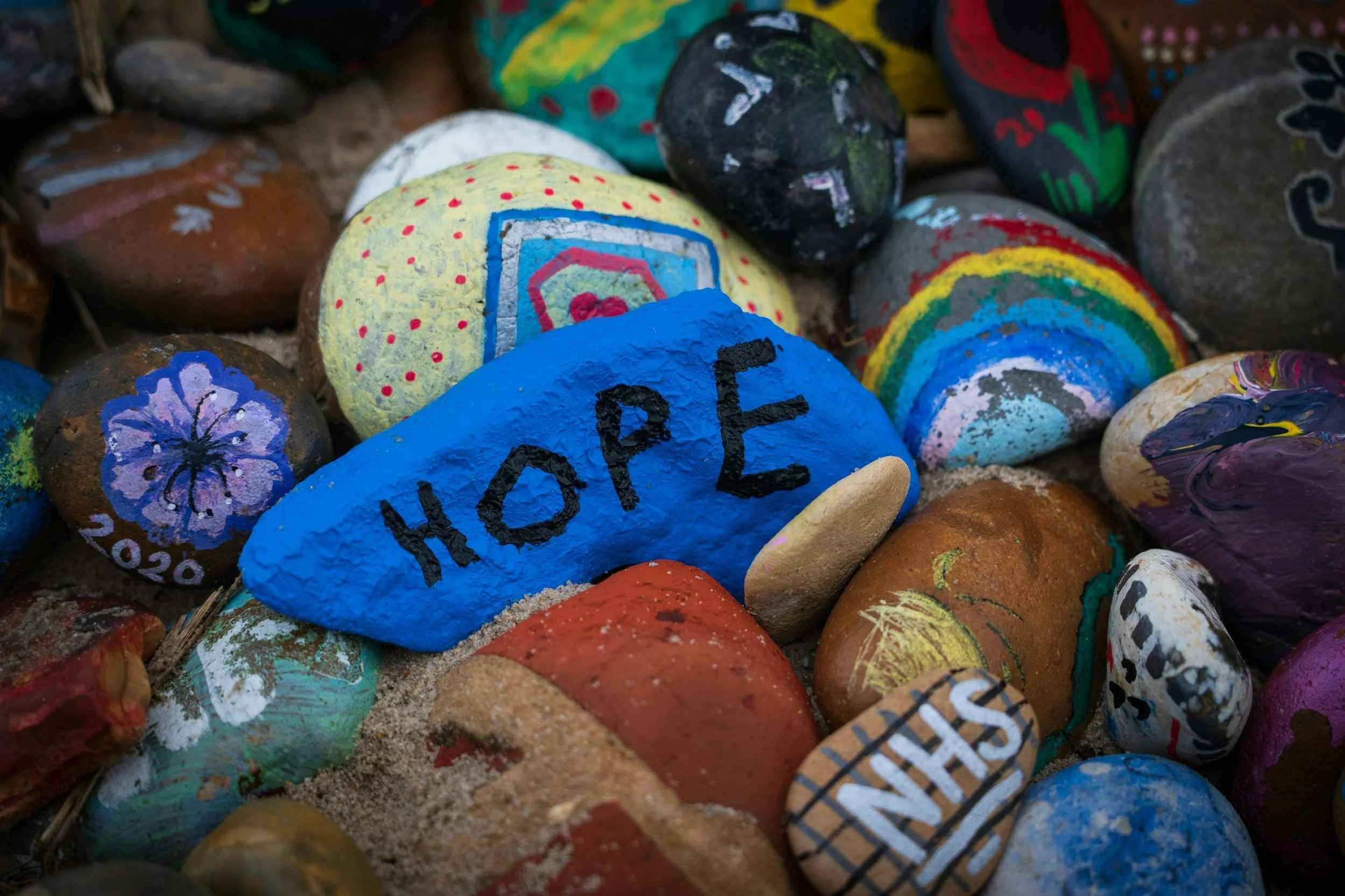
A friend suggested I listen to a CBC Ideas episode called Slowing Down in Urgent Times: A Lesson in Hope. This stood out to me: "People speak of hope as if it is this delicate, ephemeral thing made of whispers and spider's webs. It's not. Hope has dirt on her face, blood on her knuckles, the grit of the cobblestones in her hair, and just spat out a tooth as she rises for another go."
I love this quote. It completely contradicts how most of us think about hope. Hope is often portrayed as soft, gentle, passive – almost fragile. As though hope is sitting quietly and believing everything will somehow work out.
I’ve been in the circle of changemakers my entire career, especially those working on almost impossible problems: climate change, poverty alleviation, social equity, Indigenous reconciliation, international development.
The people I've met who create change in the world don't have easy hope. They have gritty hope. Hope is doing before you have proof that your effort will pay off. And hope keeps trying, keeps showing up.
I worked in climate change for 12 years and when I started in 1997, climate change wasn't really part of the public conversation; people genuinely thought I worked in thermostats. But it was an exciting time: the Kyoto Protocol had just been signed; there was a sense that the world had decided this problem mattered and was finally going to do something about it.
I used to say about my work in climate change: I work in everything but the science, because the science was the one place I couldn't find hope. The scientific facts about rising temperatures, changing ocean systems, extreme weather, drought, flooding, and food insecurity often left me feeling overwhelmed and paralysed. So I focused on where I could make an impact: corporate investment, technology transfer, policy, corporate social responsibility, etc. The science told me what was happening. Hope came from the people trying to do something about it.
After 12 years, I left the field when I could no longer find enough hope to keep doing the work.
I continue to work with leaders doing amazing work on difficult problems. It takes a certain kind of person to dedicate their careers to causes so big that they’ll never see the solving of them, if they make any progress at all. And yet those people exist; I know many of them.
Leadership is similar. Most leaders spend years working on things that are never fully "done." Trust requires ongoing maintenance. Culture is never finished. Teams and their issues constantly evolve. Leadership is often the practice of showing up for work that is never fully done.
Hope isn't the result of seeing evidence that everything will work out. Sometimes hope exists despite evidence to the contrary.
Sometimes hope looks like having the same difficult conversation with an employee for the fifth time, or having to rebuild trust after you've made a mistake. It’s continuing to invest in a team, a business, a relationship, or a vision before there is any clear sign that it's going to work.
Hope isn’t optimism, it’s persistence. Hope is getting back up again, and again, and again.
Hope isn't believing you'll succeed, it’s believing the effort is still worthwhile, that the cause, the vision, the relationship, the goal, or the possibility matters enough to keep going. Hope is in the people who keep showing up anyway: the ones with dirt on their face, blood on their knuckles, and just enough belief left to get up and try again. Not because they know it will work, but because they believe it's worth trying.