

The Louvre Heist as a Leadership Lesson
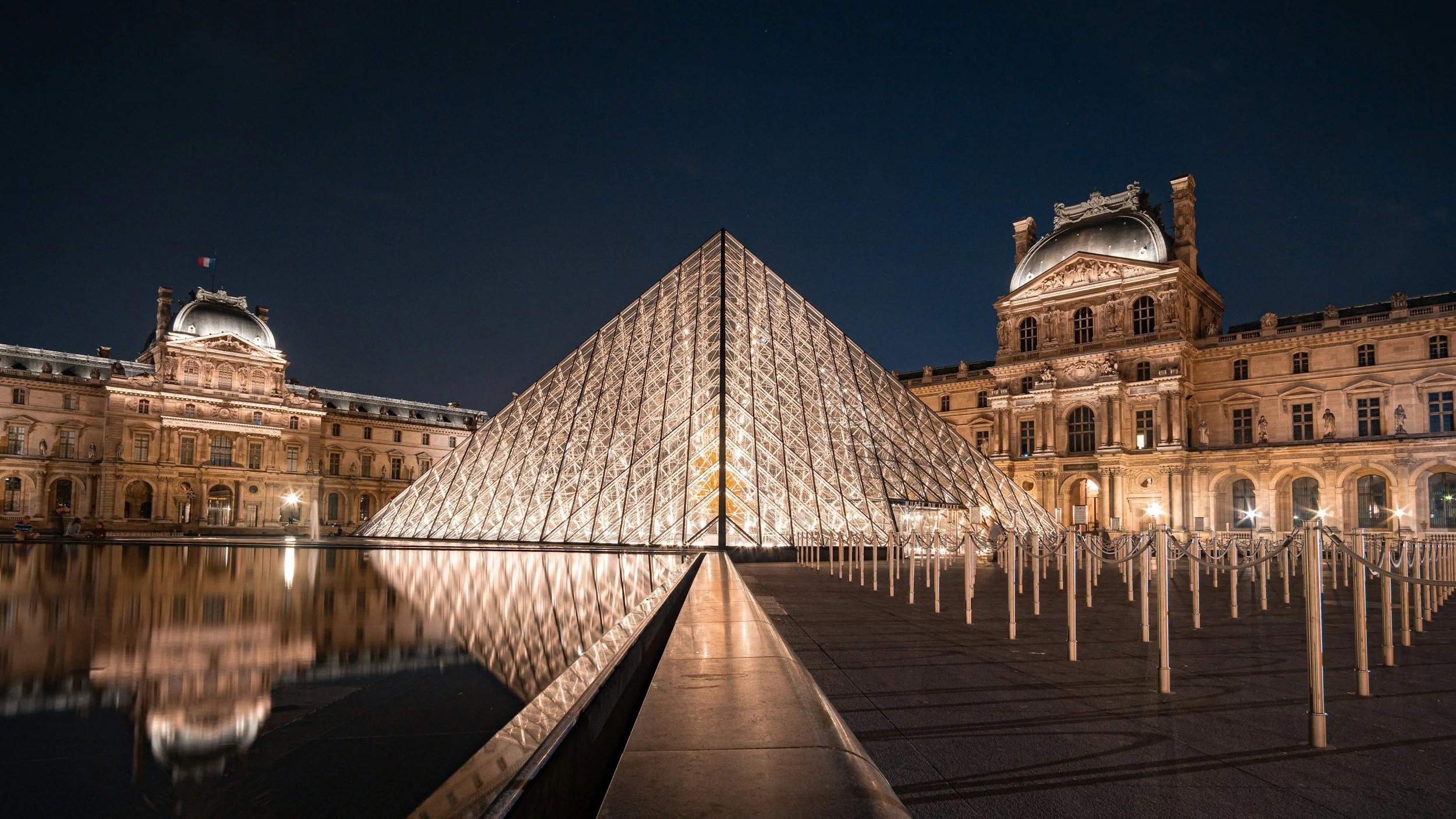
My sister Cate has a simple focus technique for getting things done. She uses last year’s seven-minute Louvre heist as inspiration: surely I can finish writing this draft in seven minutes if thieves stole $100 million worth or crown jewels from one of the world’s most secure museums in that time. (She uses it so much that Louvre Heist, LH, has become as unit of measurement for her: I'll do two LH worth of cleaning).
It’s a funny productivity trick, and it works. But it’s also a leadership lesson.
No one pulls off a precision operation like the Louvre Heist in seven minutes without intention, strategy, rehearsal, timing, and meticulous planning.
Those seven minutes are the culmination of countless decisions, preparation, and alignment.
But most leaders do not spend enough time strategizing, planning ahead, building systems, or developing themselves and others.
Instead, 36 hours of the average workweek are spent in reaction mode: messages, emails, and other people’s priorities.
Even meetings, which are supposed to be where planning happens, are often haphazardly designed, unclear in purpose, and vague about outcomes.
Mindless busy is not strategic.
Effective leaders carve out time to think, to plan, to define what matters, to align on what success looks like, and to develop relationships intentionally before action begins.
They clarify the what, the why, the how, the who, and the when before they ever start the clock.
Are you designing the heist, or just reacting to the alarms?