
A Dangerous Herb at the Château
I spent August living with 20 digital nomads in a Château in Normandy. Every Thursday night, we have a family dinner. We decide what we're going to make, shop for it, cook together, and sit down to eat. This sounds relatively straightforward, except if you've cooked for any large group in the past 10 years, you know there's no such thing as a straightforward group meal. Three of us can't eat gluten. One person is allergic to pistachios and cashews. We have a quinoa allergy, and a dairy-free pescatarian. And someone else is allergic to basil. Basil. I'd never even heard of a basil allergy.
As someone with a food restriction, I know it can be complicated for other people. Gluten hides in places you wouldn't expect, cross-contamination matters, and most people understandably don't know all the rules or what to look out for.
And yet, somehow in this group of 20, it works. People remember. Someone brings something back from the market and checks the label before offering it to me. Everyone is mindful of the restrictions when choosing restaurants. At a potluck, people tell you what's in the dish before you even have to ask.
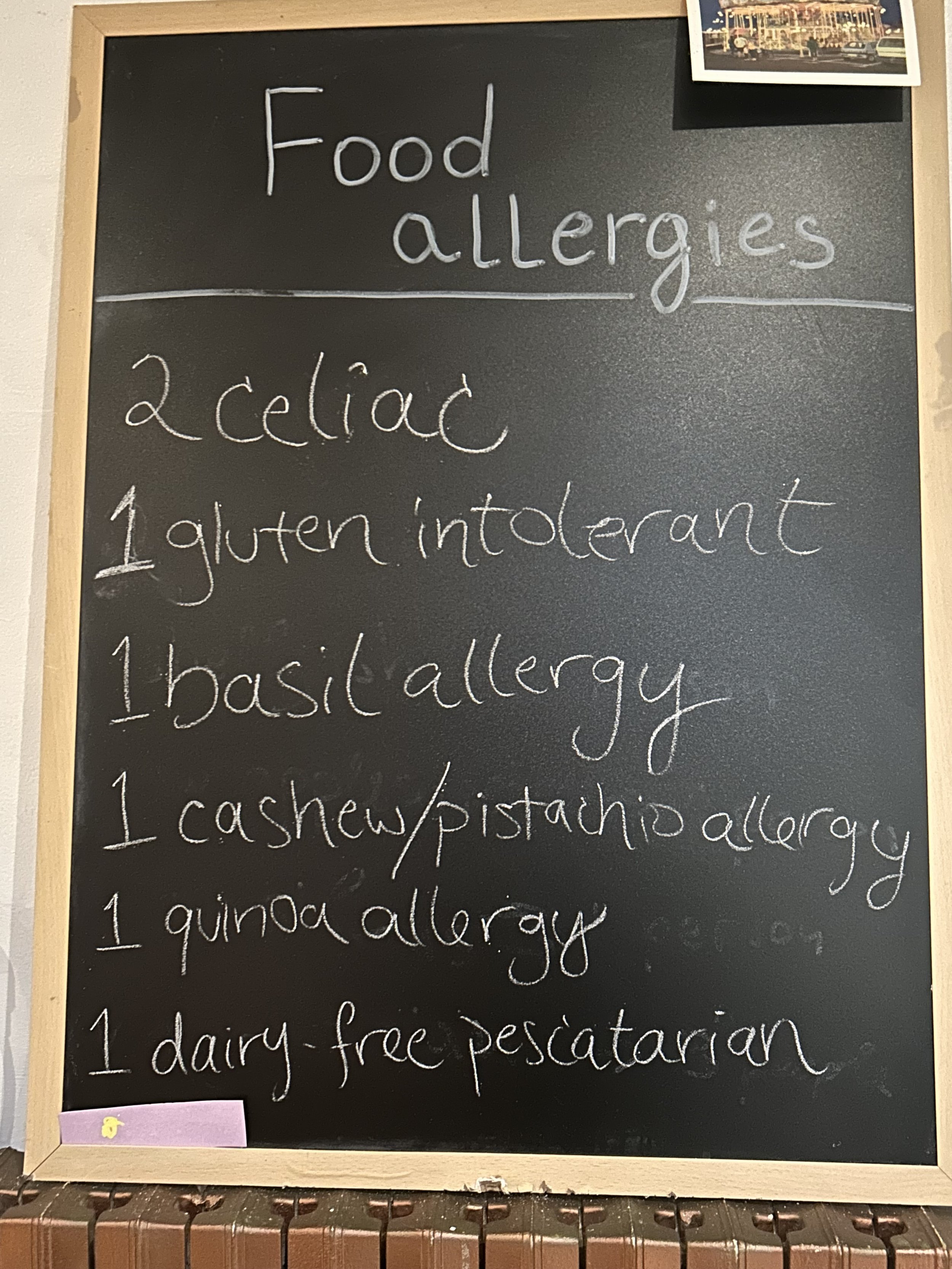
I spent August living with 20 digital nomads in a Château in Normandy. Every Thursday night, we have a family dinner. We decide what we're going to make, shop for it, cook together, and sit down to eat. This sounds relatively straightforward, except if you've cooked for any large group in the past 10 years, you know there's no such thing as a straightforward group meal. Three of us can't eat gluten. One person is allergic to pistachios and cashews. We have a quinoa allergy, and a dairy-free pescatarian. And someone else is allergic to basil. Basil. I'd never even heard of a basil allergy.
As someone with a food restriction, I know it can be complicated for other people. Gluten hides in places you wouldn't expect, cross-contamination matters, and most people understandably don't know all the rules or what to look out for.
And yet, somehow in this group of 20, it works. People remember. Someone brings something back from the market and checks the label before offering it to me. Everyone is mindful of the restrictions when choosing restaurants. At a potluck, people tell you what's in the dish before you even have to ask.
If you don’t have any food restrictions, you might not know how isolating it can be, or how self-conscious it can make you feel about being “the difficult one” even when nobody is treating you that way.
It’s not really about the food; it's about being considered. People are simply paying attention to what other people need. There is something surprisingly powerful about discovering that someone thought about you when you weren't there.
Belonging has become a big topic in organizations. Companies develop strategies around it and put it into values statements. But belonging isn’t something you can tell people to feel. It’s something people notice. It’s scheduling a meeting that works around your school drop off so it’s easier for you to attend. It's organizing social events that also work for people on your team who don't drink. It's making space for someone's perspective before a decision that affects them is made.
It’s often tiny things, but what you feel is much bigger: I see you. I remembered you.
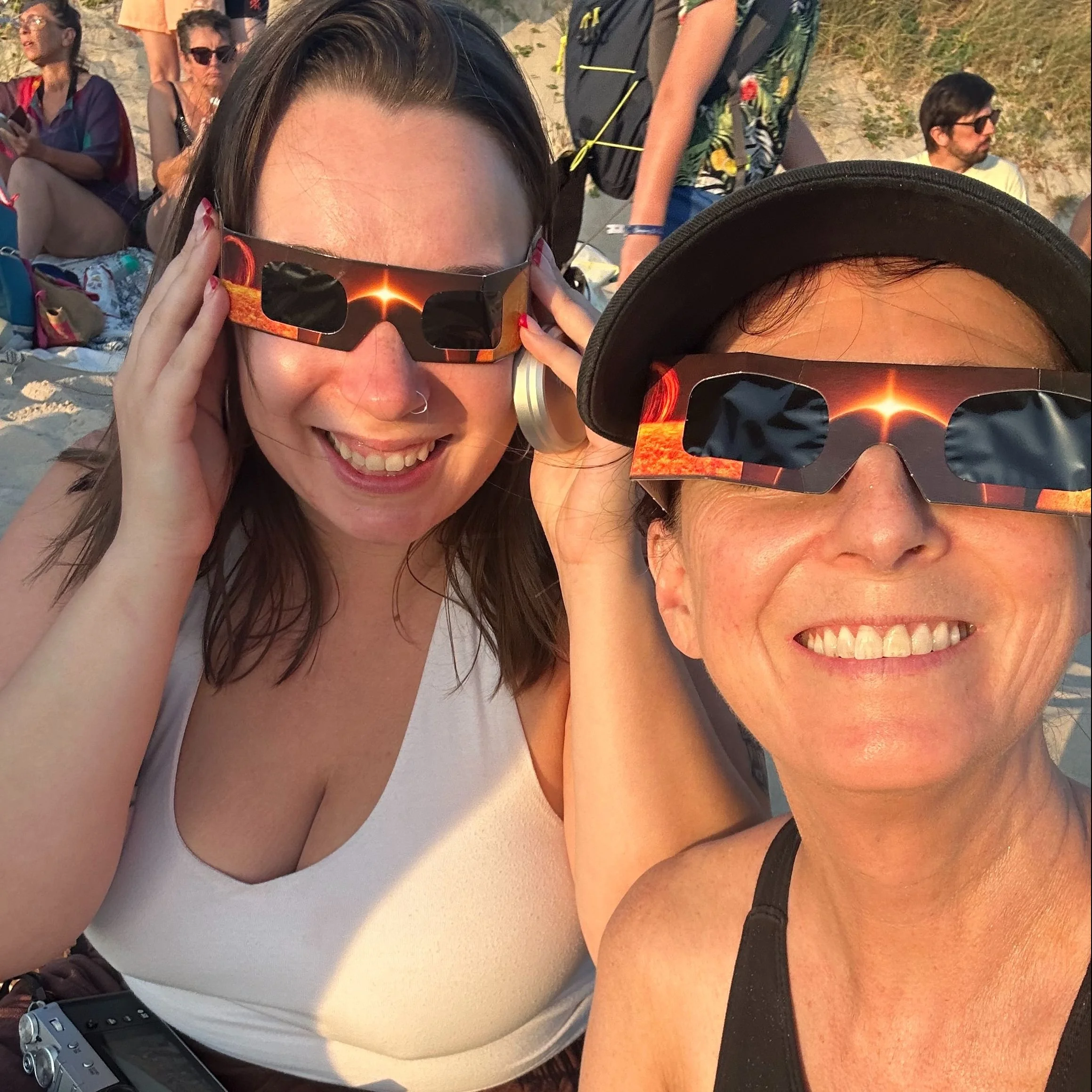
Belonging can be intentionally created, but it can't be declared. At our Château, we meet Monday nights to figure out what people want to do that week. There might be a coastal hike, a visit to the D Day beaches, a cheese tasting, watching an eclipse on the beach with eclipse glasses, or lying outside the Château watching a meteor shower. We're all working while we're here, often on very different schedules. Some people are working North American hours from France. Nobody participates in everything, and nobody is expected to. We choose what works for our interests and our schedules. But people keep creating opportunities for everyone to participate in something.
Belonging doesn't mean everyone does the same things, or even wants the same things. Maybe belonging is knowing there's room for you without feeling like your differences are an inconvenience.
And sometimes it looks like 20 people in a Château remembering not to put basil in the salad.