
Jazz Hands and Love Notes
When someone leaves our Château, we have a whole goodbye procedure. Everyone gathers outside on the front steps. There are hugs and goodbyes, and then the car drives through the semicircle while we do a coordinated wave involving jazz hands and a sound I don't quite know how to describe. As the car leaves the circle, the driver honks three times.
It's a ritual.
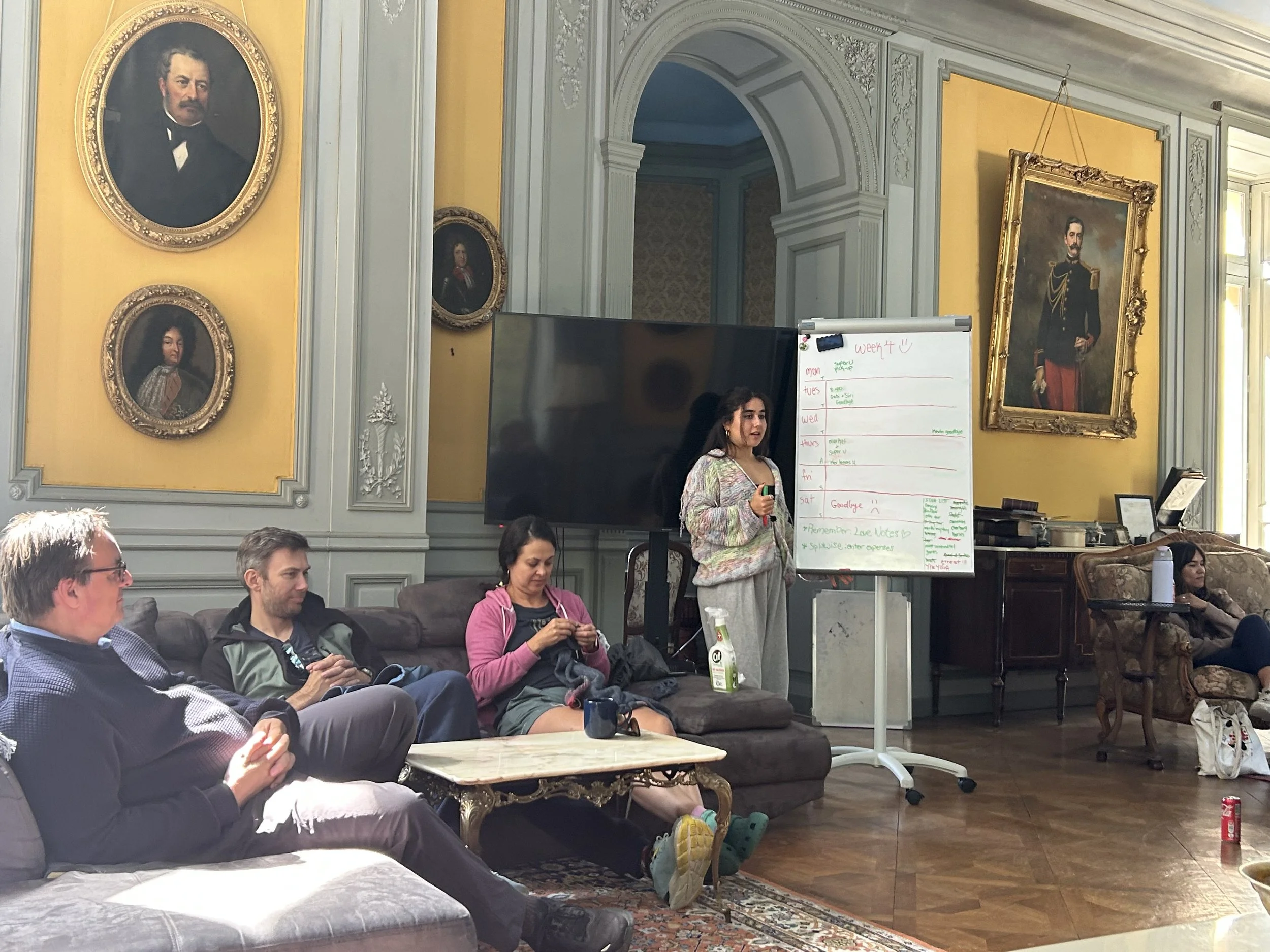
If you've read my last couple of newsletters, you know that I spent August living with around 20 digital nomads in a Château Coliving in Normandy. I've been paying attention to how much of the community here is actually designed. There is a Community Manager. We have a community meeting every Monday evening where we co-design the week. We each talk about what we want to do, whether it's a coffee shop visit, a learning workshop, a Murder Mystery night, or a full-day adventure, and we map out a loose schedule for the week.
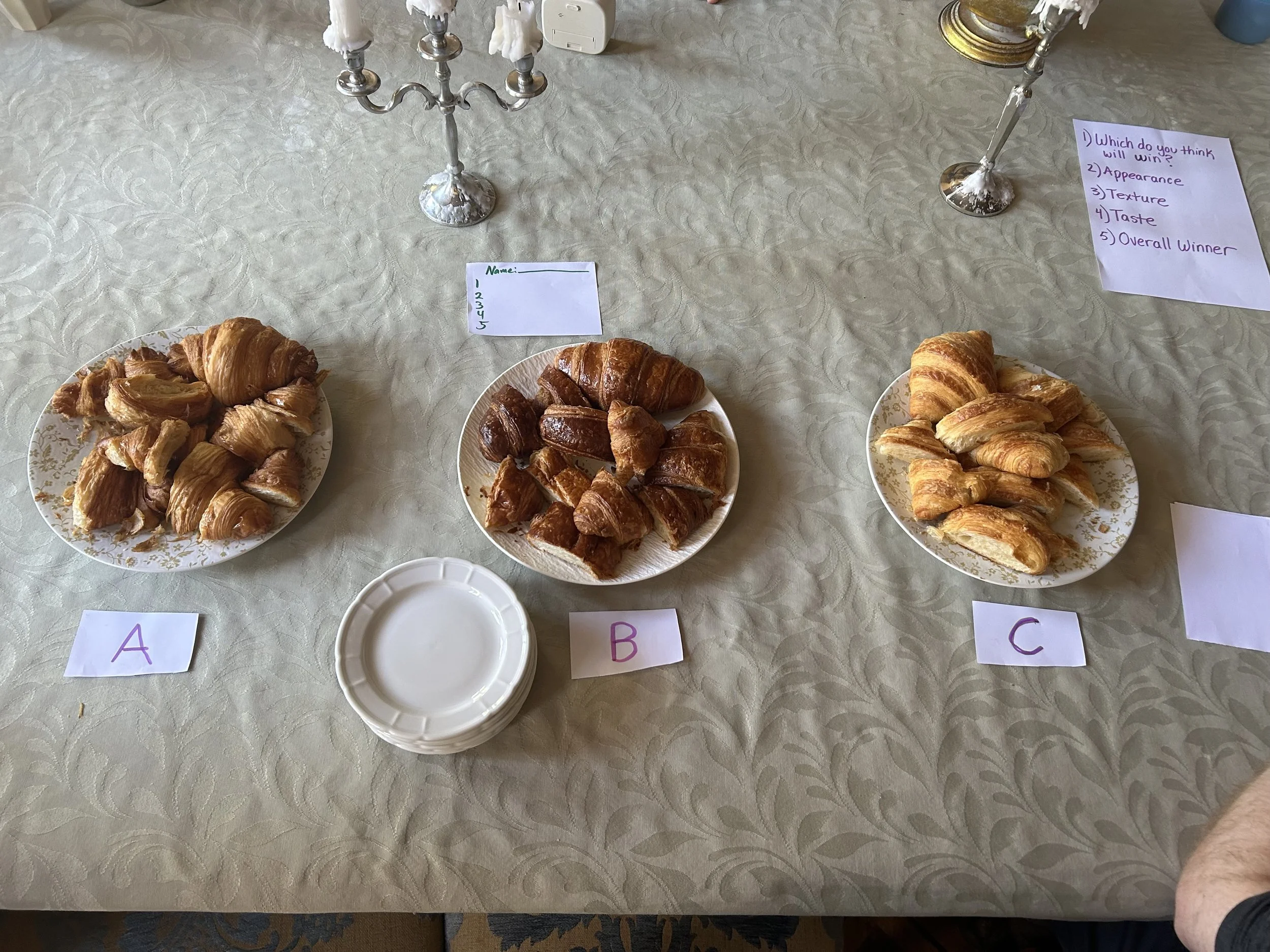
Then we use Slack to coordinate the specifics, from the more organized — For the outing to Mont Saint-Michel on Friday, we will leave early to see the sunrise. Leave an abbey emoji if you want to come and a car emoji if you can drive — to the very informal — There's cut up melon in the kitchen if anyone wants some.
There's enough structure that things happen, but enough freedom that you choose what works for you.
And then there are the rituals. Family dinner every Thursday. The elaborate goodbye wave. In our final week, everyone gets an envelope with their name on it so we can leave little love notes for each other to take home.
They're small things, but rituals give a community a rhythm. They create things to look forward to and shared experiences that become part of how we do things here. Somewhere along the way, a group of people who happened to book the same Château starts to feel like a we.
People who have stayed at other colivings without this kind of intentional community-building say the difference is noticeable. You can't just put 20 strangers in a beautiful building and hope community happens. You have to create the conditions that make it easier and more likely.
I think we underestimate how much this matters in organizations. We say we want meetings where everyone contributes, offsites that build trust, and new employees who feel part of the team. We often assume that because we've brought the right people into the same room, or set an agenda for a meeting, the rest will happen naturally.
It might. But there is a real difference between organizing something and designing an experience.
Designing this for an organizational team is more complex than designing a week at a Château, but the principle is the same: get clear on the experience and outcomes you want, then design backwards from there. An agenda only tells you what you want to talk about; design means choosing the exercises, questions, and methodologies that will actually help you get to those outcomes. What do you want people to feel? What needs to be different when they leave? What will help a collection of individuals become a we?
Twenty strangers don't automatically become a community. And putting twelve people in a conference room doesn't automatically make them a team.
You can't just hope for the experience you want. You have to design the conditions that make it possible.