

Peru Made Me Miss Humans
Some of the most effective systems I’ve experienced while travelling are also the least formalized.
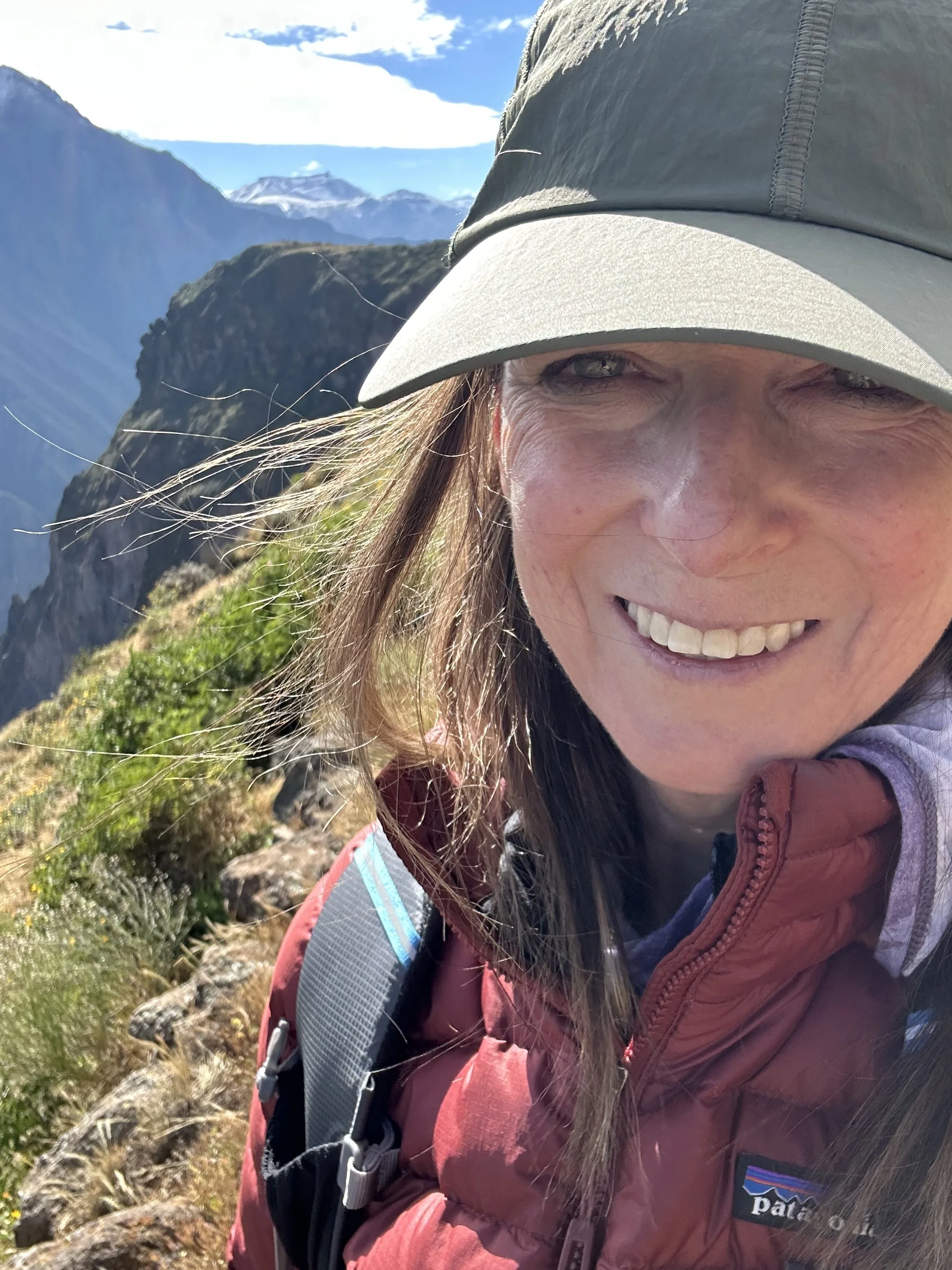
I’m in Peru right now. A couple of months ago, I booked a hotel in Ollantaytambo, a small town about two hours from Cusco. The entire booking process happened through a few WhatsApp messages. No credit card. No automated confirmation emails. Just a quick exchange of messages and an amount to bring in cash when I arrived. I also asked if they provided transfers from the airport to the hotel. Another message or two, a quoted price in cash, and the transfer was confirmed through WhatsApp.
I've travelled a lot and have a lot of trust in these informal systems. But months later, the evening before my arrival, I sent a WhatsApp message to reconfirm the car transfer (to appease my Canadian need for confirmation). It was a Saturday night, and I was being picked up Sunday morning at 8:30 a.m. Within minutes, they confirmed everything. When I walked out of the airport, there was my driver.
I was meeting up with a friend at the same airport to travel to Ollantaytambo, but her flight was delayed. I messaged the same person to see if another transfer could be arranged. Remember, this is early Sunday morning, and the pickup was needed in two hours, for a four-hour return trip for the driver. Ten minutes later, they confirmed her car transfer.
This happens all the time, and from my North American perspective, the whole thing looks a bit chaotic. There's no tracking system, no confirmation emails, no app showing me a little car driving across a map.
And yet… it works. Not perfectly, I’m sure. But neither do our highly formalized systems.
Over the last few months, I’ve had to call Air Canada several times. The wait times to speak to an actual human ranged from six hours to almost twenty-four. Several of those situations were urgent. Earlier this year, when my luggage didn’t arrive for seven days while I was travelling, there was literally no way to speak to an actual human about baggage issues. Everything had to be handled through forms and automated systems. And I know if I had been able to speak with someone, I would have received my bag days earlier.
There’s obviously a leadership lesson in this somewhere (because I can’t help myself). What I’ve experienced in places like Peru is a very different operating model. The systems may look informal from the outside, but they are incredibly adaptive and responsive. Humans solve problems in real time. Someone answers the message. Someone knows someone. Someone figures it out. And there’s often a stronger desire to help because there’s an actual human connection. You’re not just a ticket number on a form that can easily be marked “unsolvable” when the problem falls outside the expected scope. And because humans are constantly solving problems directly, they become exceptionally good at solving problems.
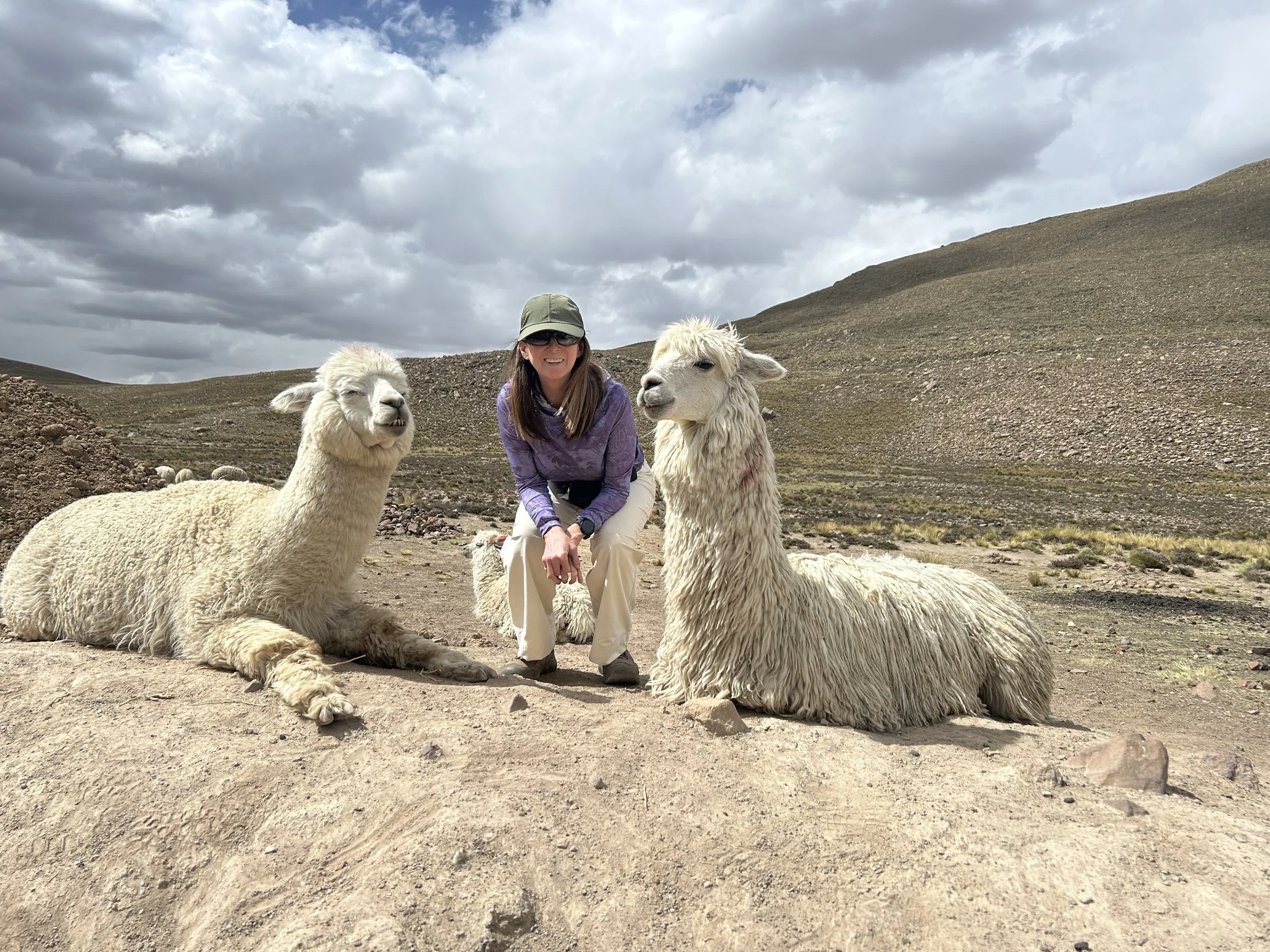
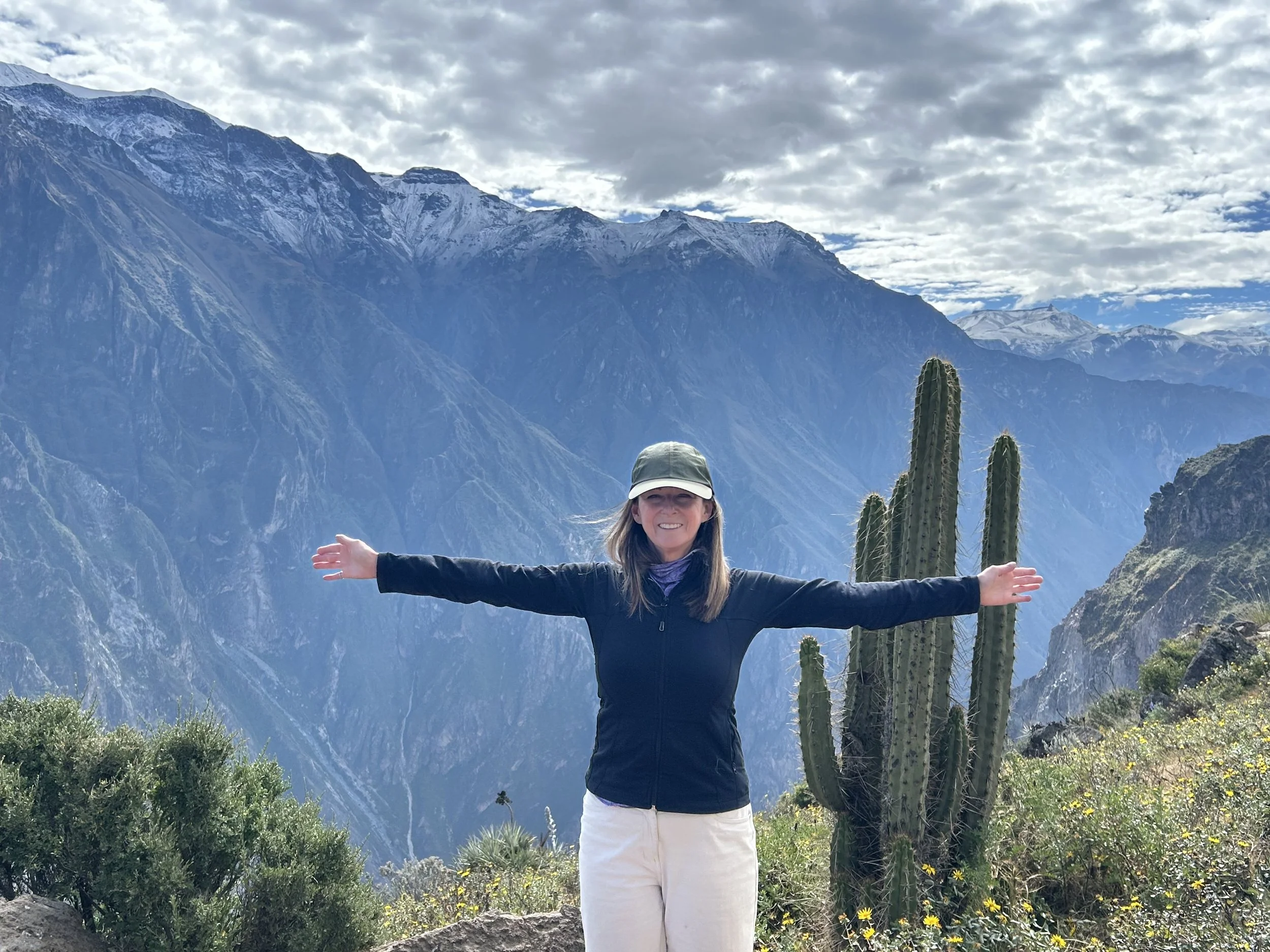
There’s a level of trust embedded in the system. I don’t think trust gets enough credit as an operating model.
In many North American organizations, we optimize for control, predictability, liability reduction, and scalability. We try to engineer away uncertainty and reduce reliance on human judgment. But in doing so, we often create systems that are rigid, inaccessible, slow to adapt, surprisingly fragile, and often bad at solving unexpected problems.
The systems I’ve experienced while travelling may not always look efficient on paper, but they are deeply responsive. Responsiveness matters more than many organizations realize.
As AI becomes more integrated into customer service, support systems, and communication, I think people are becoming increasingly aware of how much they value access to an actual human. How many of us have yelled “representative!” into a phone system recently? How many times have we just wanted someone to take ownership of solving the problem? We don't want to be routed through another process, or worse, stuck back at the beginning of the same system. (You probably felt your blood pressure rise just reading that.) Just help.
And this isn’t only a customer service issue. I think it’s a leadership one too. Because organizations are shaped by what they optimize for. Somewhere along the way, many organizations became so focused on systems that they've lost some of the humanity that made people trust them in the first place. This has been happening for a long time, but AI is exposing just how much we value human accessibility and responsiveness.
And maybe one of the questions leaders need to start asking is: Have we optimized ourselves out of humanity?
