
The Incas Had Stone Sofas
The fastest route isn’t always the point.
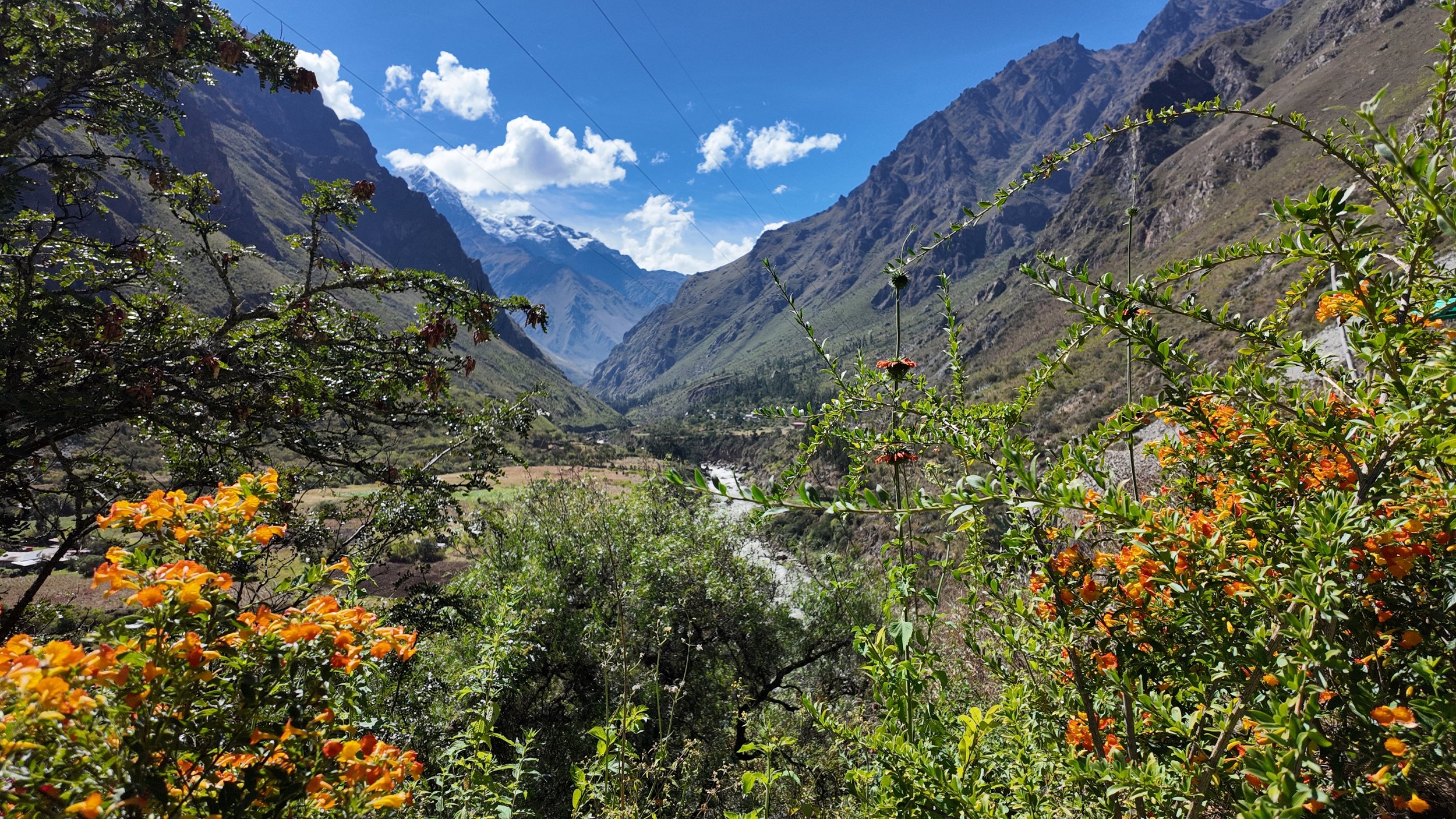
On my recent trip to Peru, I hiked the Inca Trail for four days to get to Machu Picchu. The Inca Trail was part of a vast network built by the Incas more than 500 years ago, much of it from stone pathways and staircases. This particular route is believed to have had important ceremonial and spiritual significance. Along the way, hikers cross Dead Woman’s Pass at 4,215 metres, or about 13,828 feet, before eventually arriving at the Sun Gate, where Machu Picchu reveals itself below in all its beauty. For Inca Trail hikers, the Sun Gate is the first dramatic view of Machu Picchu.
Most visitors arrive by train and enter through long and crowded queues. The train is faster, easier, more efficient, and far more comfortable. You arrive without four days of hiking, sore legs, altitude, heavy packs, without very early mornings including 4 a.m starts in the dark and wondering why there is yet another set of stairs when surely, surely, there cannot be more stairs.
And yet, thousands of people choose to walk the Inca Trail.
I’ve done a lot of hiking in my life: high altitude trekking, long days, difficult terrain. So I wasn’t surprised that the trail was beautiful or that it was hard. What I loved, and what has stayed with me, is that it never felt like the trail was only designed to move people from one place to another. It felt like the experience was part of the design. The stone stairs are gruelling, especially on the way down, but they are also beautiful.
There are many places along the way where the stones in the walls were perfectly placed to sit on or lean against. Locals call them “Inca sofas.” They were at just the right distance from each other. In the easier sections, they were farther apart. On the really steep, really hard sections, there were perfect stone spots to rest every 50 steps or so. They seemed to invite you to pause, catch your breath, look out at the mountains, and take in where you were. Not in an obvious way. In a deeply intentional way.
The train would have gotten me to Machu Picchu faster. But the trail prepared me to arrive differently. I felt strong. I felt accomplished. I felt bonded with the people I had met along the way. I felt connected with the place and its history.
I felt a sense of self that I haven’t felt in awhile. When I climbed the final stairs and walked through the Sun Gate in the early morning light, seeing Machu Picchu for the first time wasn’t just a sight. It landed differently. That's true in leadership too. Sometimes the fastest route gets people to the destination. But the right experience changes how they arrive and what they take away.
The train gets you to Machu Picchu. The trail changes how you arrive.
The trail is not just about arrival. It is about what happens to you on the way there.
And in a world that loves urgency and efficiency, we often forget that the experience itself matters too. We tend to focus on: How fast can we get there? (I caught myself caught up in this hiking too.) How quickly can we deliver the content? How much can we fit into the agenda? How do we make this effort more productive?
Those aren’t bad questions. Efficiency does matter. Content matters and outcomes matter. But they are not the only things that matter.
When I design leadership retreats, team trainings, or workshops, the content is only part of the design. An equally important part of the design is asking: What do we want people to experience? Do we want them to feel challenged? Safe enough to be honest? Uncomfortable and stretched? Connected to trust each other? Clear to make decisions? Energized to act?
Because people don’t just remember what they were told, they remember how they felt. They remember whether their voice was heard, whether they felt connected to the purpose, whether they felt challenged, inspired, included, energized, or seen. They remember the moment the room shifted. The moment someone finally said the thing everyone was thinking.
If you don’t design workshops, trainings or events, this may not be something you think about very often. But think about the times you got the most out of something, whether it was a retreat, a course, a meeting, a conversation, or a concert. I would bet the experience of it was at least as memorable as the content. Maybe more. Likely more.